

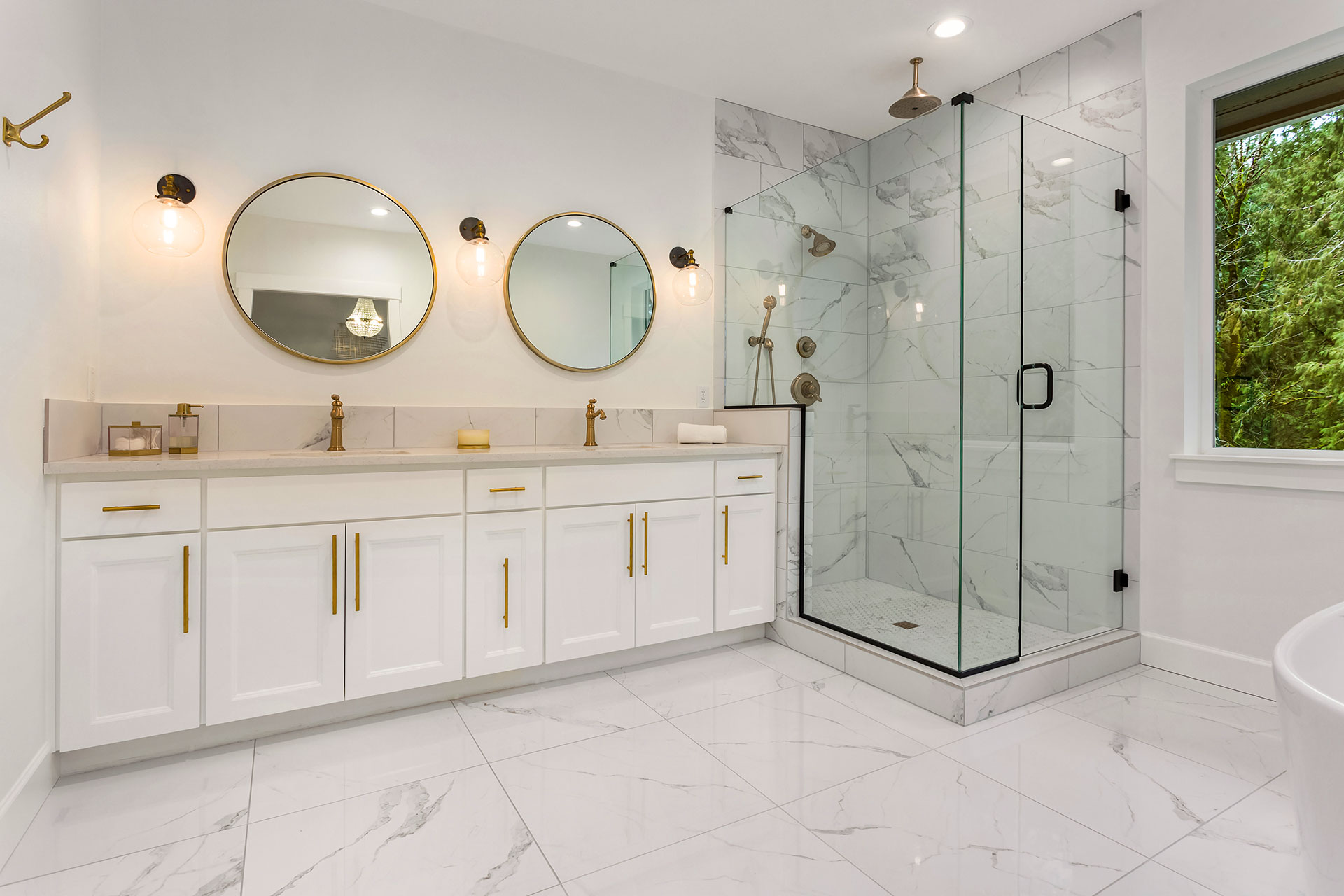
Your bathroom floor gets more foot traffic than almost any other surface in your home, yet most people treat it as an afterthought. The truth is, the right bathroom floor tiles design can transform a cramped, dated space into something that feels like a boutique hotel retreat. Whether you’re gutting the whole room or just refreshing what you have, the floor sets the tone for everything else.
What is the best tile design for a bathroom floor?
The best bathroom floor tile design combines slip resistance, water durability, and visual flow with the rest of the room. Porcelain and textured stone-look tiles in neutral or bold patterns like herringbone or large-format planks work best. Small tiles with more grout lines also improve traction in wet areas.
There’s no single “correct” answer here, but there is a formula that consistently works: durability first, style second, and cohesion with the rest of your bathroom third. Let’s break down exactly how to get there.
Why Bathroom Floor Tile Design Matters More Than You Think
Bathrooms deal with constant moisture, temperature swings, and heavy use. A poorly chosen tile can crack, stain, or become dangerously slippery within a year or two. On the flip side, a well-designed tile floor can last decades while making the room look significantly more expensive than it actually cost.
Beyond function, tile design also impacts how spacious or cramped your bathroom feels. Light-colored tiles with minimal grout lines can visually expand a small powder room, while dark, dramatic tiles can add richness to a large primary bath.
Popular Bathroom Floor Tile Design Styles
Design trends shift, but a handful of styles have proven themselves timeless. Here are the ones designers keep coming back to:
- Herringbone Pattern: Adds movement and a custom, high-end look, especially with elongated subway or plank tiles.
- Large-Format Tiles: Fewer grout lines mean a cleaner, more modern appearance and easier cleaning.
- Hexagon Tiles: A retro-meets-modern favorite, perfect for adding personality without overwhelming the space.
- Stone-Look Porcelain: Gives the luxury of marble or travertine without the maintenance headaches.
- Bold Encaustic Patterns: Great for powder rooms where you want the floor to be the statement piece.
Choosing Colors That Actually Work
Color choice can make or break your bathroom floor design. As a general rule, lighter tiles brighten small spaces, while darker tones ground larger rooms and hide minor stains over time.
Neutral and Timeless Palettes
Whites, warm grays, and beige tones remain the safest long-term investment. They pair well with almost any wall color or fixture finish, making future updates easier without a full renovation.
Bold and Trend-Forward Choices
Deep greens, charcoal, and even matte black tiles are gaining popularity for primary bathrooms. These work especially well when paired with brass or matte black fixtures for a moody, spa-like vibe.
Material Matters: Picking the Right Tile Type
Design is only half the equation. The material you choose determines how well that design holds up over time.
- Porcelain: Extremely durable, water-resistant, and available in nearly any pattern or finish.
- Ceramic: Budget-friendly and versatile, though slightly less durable than porcelain.
- Natural Stone: Beautiful but requires sealing and more maintenance over time.
- Vinyl or Luxury Vinyl Tile (LVT): Water-resistant and comfortable underfoot, ideal for budget renovations.
If your existing ceramic tile floor is structurally sound but looking worn, a full replacement isn’t always necessary. Many homeowners are surprised to learn they can restore and update their existing surface through ceramic floor tile resurfacing, which can dramatically refresh the look of a bathroom without the cost or mess of tearing everything out.
Tile Layout Patterns to Consider
The pattern you choose changes how the entire room feels, even if you keep the same tile material and color.
- Straight Lay: Clean, simple, and budget-friendly. Best for small bathrooms.
- Diagonal Lay: Makes narrow bathrooms feel wider by drawing the eye across the room.
- Herringbone or Chevron: Adds texture and movement, ideal for statement floors.
- Basketweave: A classic look that works beautifully with smaller mosaic tiles.
Small Bathroom vs. Large Bathroom Design Tips
Tile choices should shift depending on the size of your space. What works in a spacious primary bathroom can overwhelm a small powder room.
For Small Bathrooms
- Stick with large-format tiles to minimize grout lines.
- Choose light, neutral colors to visually expand the space.
- Avoid overly busy patterns that can make the room feel cluttered.
For Large Bathrooms
- Experiment with bold patterns like herringbone or intricate mosaics.
- Mix textures, such as matte floors with glossy wall tiles.
- Consider darker tones for a dramatic, spa-like atmosphere.
Grout Color: The Detail Most People Forget
Grout color can completely change the appearance of your tile. Matching grout to your tile creates a seamless, continuous look, while contrasting grout emphasizes the shape and pattern of each tile.
For high-traffic bathrooms, darker grout is often more practical since it hides dirt and grime better than white or light gray grout.
Budget-Friendly Ways to Upgrade Your Bathroom Floor
A full tile replacement isn’t always in the budget, and thankfully, it’s not always necessary. Consider these alternatives:
- Refinishing or resurfacing existing tile instead of full replacement.
- Using peel-and-stick vinyl tiles for a temporary refresh.
- Updating grout color to instantly modernize an older floor.
- Adding a stylish bath mat or runner to introduce color and texture affordably.
Final Thoughts
A well-planned bathroom floor tiles design does more than just look good, it protects your home from moisture damage and adds long-term value. From choosing the right material to picking a layout pattern that suits your space, every decision plays a role in the final result. Whether you’re renovating from scratch or refreshing an existing floor, thoughtful design choices can turn an ordinary bathroom into a space that feels intentional, stylish, and built to last.
Frequently Asked Questions
What size tile is best for a small bathroom floor?
Large-format tiles, typically 12×24 inches or bigger, work best in small bathrooms because they reduce grout lines and create a more spacious, seamless appearance.
Are dark tiles a bad idea for bathroom floors?
Not at all. Dark tiles can add drama and sophistication, and they often hide dirt and stains better than lighter colors, making them practical for busy households.
Is porcelain or ceramic tile better for bathroom floors?
Porcelain is generally more durable and water-resistant, making it a better long-term choice for bathroom floors, while ceramic offers a more budget-friendly alternative with slightly less resilience.
Can I install new tile designs over existing bathroom tile?
In some cases, yes, especially with resurfacing techniques or certain overlay products, though it depends on the condition and levelness of the existing floor.
How do I make my bathroom floor less slippery?
Choose textured or matte-finish tiles rather than high-gloss options, and consider smaller tile sizes with more grout lines, which naturally improve traction in wet areas.
Leave a Reply