

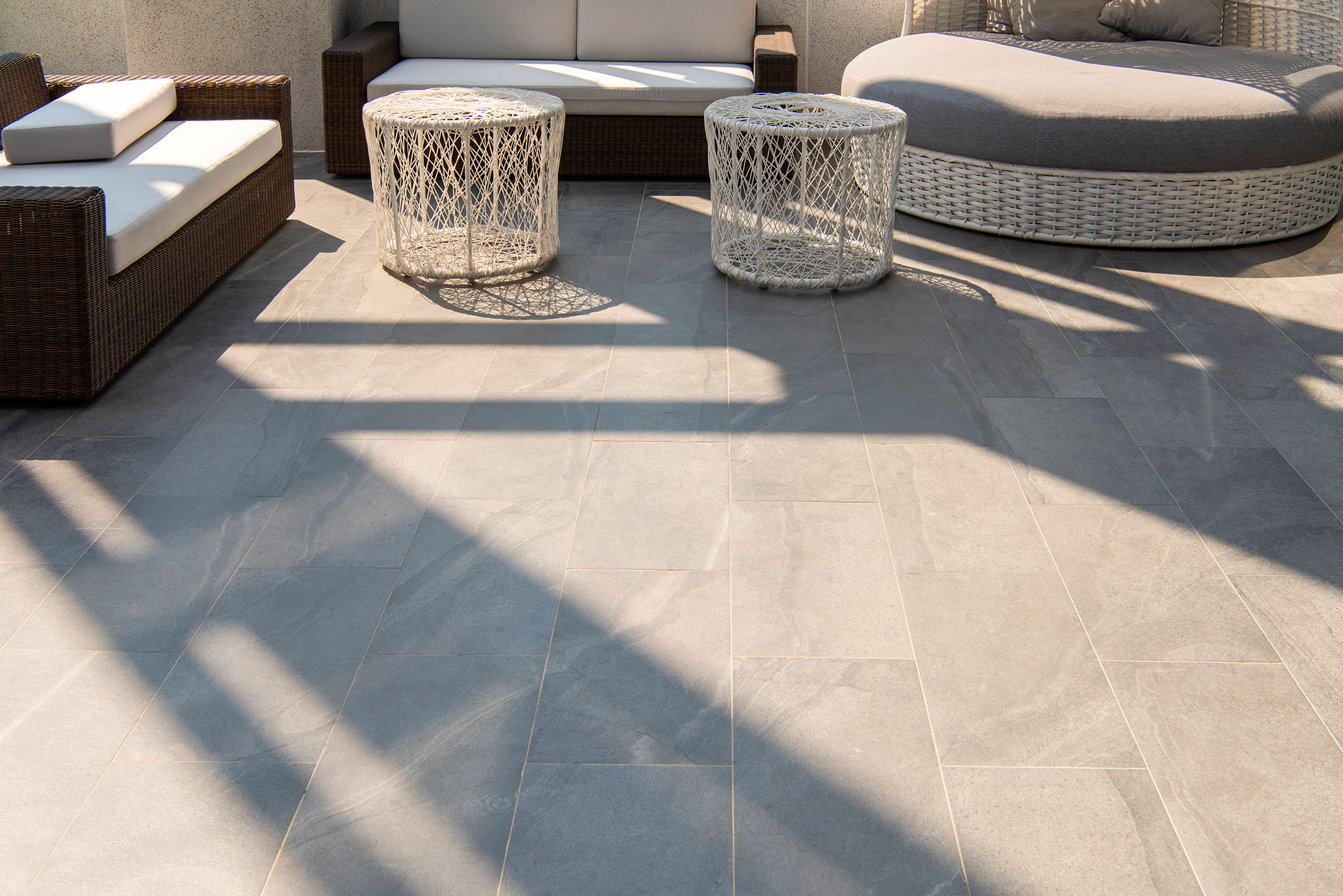
Picture this: you walk into a room and your eyes go straight to the floor. That is the quiet power of well chosen tiles. Whether you are renovating a tired kitchen, dreaming up a spa-like bathroom, or finally tackling that outdated hallway, exploring the right floor tiles category is where every great design begins. The trouble is, there are so many options that decision fatigue sets in fast. Glossy or matte? Big format or mosaic? Porcelain or natural stone?
What is the best type of floor tile?
The best floor tiles depend on the room. Porcelain wins for durability and water resistance, ideal for kitchens and bathrooms. Ceramic suits lower traffic areas and budgets. Natural stone offers luxury, while vinyl tiles deliver comfort and easy installation.
Understanding the Floor Tiles Category
The floor tiles category is broader than most people expect. It covers everything from rugged porcelain slabs to delicate hand painted ceramics. Each material brings its own personality, price point, and performance level to the table.
Before you fall in love with a color, it helps to know what you are actually buying. The right choice balances looks, longevity, and lifestyle. Here is how the main players stack up.
Porcelain Tiles
Dense, tough, and almost waterproof, porcelain is the workhorse of the tile world. It handles heavy foot traffic, resists stains, and shrugs off moisture. That makes it a favorite for bathrooms, kitchens, and even outdoor spaces.
Ceramic Tiles
Ceramic is the friendlier, more affordable cousin. It is easier to cut and install, comes in endless designs, and works beautifully in moderate traffic rooms. If you are weighing your options, our deep dive on ceramic vs. porcelain breaks down exactly when each material makes sense.
Natural Stone Tiles
Marble, granite, slate, and travertine bring undeniable luxury. No two tiles are identical, which gives floors a one-of-a-kind character. The trade-off? Most stone needs sealing and a little extra care.
Vinyl and Luxury Vinyl Tiles
Soft underfoot, warm, and budget friendly, vinyl tiles have come a long way. Modern versions mimic wood and stone convincingly. They are a smart pick for families and anyone craving comfort.
How to Choose the Right Floor Tiles
Choosing tiles is part science, part gut feeling. Use these factors to narrow your shortlist before you head to the showroom.
- Traffic level: High traffic zones need durable, scratch resistant tiles.
- Moisture exposure: Bathrooms and entryways demand low absorption materials.
- Slip resistance: Look for a higher slip rating in wet areas.
- Maintenance: Some surfaces wipe clean; others need regular sealing.
- Style and scale: Larger tiles make small rooms feel bigger.
Popular Floor Tile Styles and Finishes
Material is only half the story. The finish dramatically changes the vibe of a space. A polished tile feels sleek and modern, while a matte surface reads cozy and understated.
Matte
Low glare and great grip. Hides smudges and works wonders in busy kitchens.
Polished
Reflective and elegant. Bounces light around to brighten dim rooms.
Textured
Adds grip and depth. Perfect for entryways and slip prone areas.
Room by Room Tile Recommendations
Different rooms have different demands. Matching the tile to the space saves money and headaches down the line.
- Kitchen: Porcelain or textured ceramic for spills and traffic.
- Bathroom: Low absorption porcelain with slip resistance.
- Living room: Large format porcelain or wood-look tiles.
- Outdoor patio: Frost resistant porcelain or stone.
- Bedroom: Warm vinyl or soft toned ceramic.
Maintenance Tips to Keep Tiles Looking New
Beautiful tiles deserve a little upkeep. The good news is that most floor tiles are remarkably low maintenance when you follow a few simple habits.
- Sweep or vacuum regularly to stop grit from scratching the surface.
- Mop with a pH neutral cleaner instead of harsh chemicals.
- Seal natural stone and grout lines as recommended.
- Wipe spills quickly to avoid staining.
Frequently Asked Questions
Which floor tile is most durable?
Porcelain takes the crown for durability. Its dense composition resists scratches, moisture, and heavy foot traffic, making it the go-to choice for high use areas.
Are bigger floor tiles better?
Larger tiles create fewer grout lines and a more seamless look, which can make rooms feel more spacious. However, they need a very level subfloor for proper installation.
Can I install floor tiles myself?
Ceramic and vinyl tiles are beginner friendly for small projects. Larger formats, stone, and wet areas usually benefit from professional installation to avoid cracking and uneven lines.
How do I prevent slippery floor tiles?
Choose tiles with a higher slip resistance rating and opt for matte or textured finishes in bathrooms, kitchens, and entryways where water is common.
Final Thoughts
Finding your perfect floor starts with understanding the floor tiles category and matching material to room, lifestyle, and style. Porcelain delivers toughness, ceramic offers value, stone brings luxury, and vinyl wins on comfort.
Take your time, weigh the factors that matter most to you, and do not be afraid to mix finishes for visual interest. With the right tiles underfoot, every room in your home gets a foundation worth showing off.
Leave a Reply