

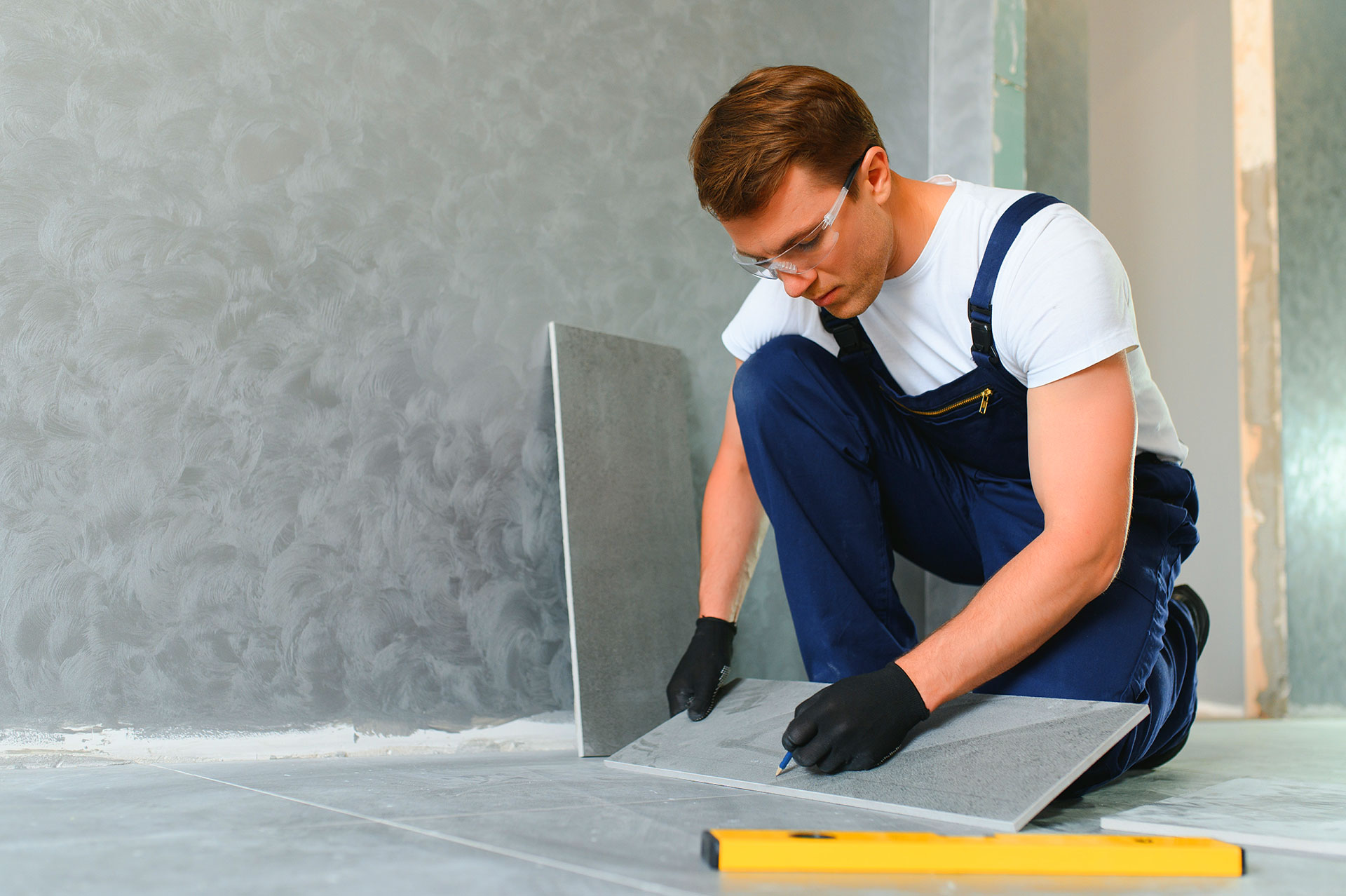
Your ceramic tiles have seen better days. Maybe they’re scratched, dull, stained, or just stuck in a design era you’d rather forget. Before you grab a sledgehammer and start ripping everything out, take a breath. You actually have options, and most of them are far less painful (and expensive) than a full replacement.
Learning how to resurface ceramic floor tile can save you thousands of dollars, hours of demolition, and the headache of disposing of old materials. Whether your tiles are in a busy entryway, a tired bathroom, or a dated kitchen, resurfacing offers a practical path to refreshed floors without the chaos of a full renovation.
What Does It Mean to Resurface Ceramic Floor Tile?
Resurfacing is the process of restoring or transforming the top layer of your existing tile rather than removing it. Think of it like giving your floors a facelift. The structure stays intact, but the appearance gets a complete refresh.
This approach is ideal for tiles that are structurally sound but cosmetically tired. If your tiles are cracked beyond repair or lifting from the subfloor, resurfacing won’t be the right fix. But for surface-level issues like discoloration, etching, or outdated finishes, it’s often the perfect solution.
Common Reasons Homeowners Choose Resurfacing
- Faded or discolored grout and tile surfaces
- Outdated colors or patterns
- Light scratches and surface wear
- Staining from spills, mildew, or hard water
- Desire to change style without renovation costs
Methods to Resurface Ceramic Floor Tile
There’s no single way to refresh tile floors. Your best option depends on the condition of your tiles, your budget, and the look you’re going for. Here are the most popular approaches.
1. Deep Cleaning and Sealing
Sometimes what looks like permanent damage is just years of trapped grime. A deep clean using a tile-specific cleaner, followed by a quality sealer, can revive tiles that simply look dirty. This is the cheapest and easiest method, and it’s worth trying before you commit to anything more drastic.
2. Epoxy Coating
Epoxy creates a durable, glossy layer over your existing tiles. It’s tough enough for high-traffic floors and can be tinted to almost any color. The catch? Surface prep is everything. The tile must be cleaned, lightly sanded, and primed correctly, or the coating won’t bond properly.
3. Tile Paint
Yes, you can paint ceramic tile floors. Specialized floor tile paints offer a wide range of finishes, from matte to high-gloss. Some even mimic patterns like cement tile or marble. Painted tiles can look stunning, but they need a protective topcoat to handle daily wear.
4. Resurfacing Kits
These all-in-one kits typically include a bonding primer, a base coat, and a sealer. They’re designed for DIYers and provide consistent results when instructions are followed precisely. Expect to spend a weekend on the project, plus a few days of drying time.
5. Tile Refinishing by Professionals
For the best long-term results, hiring a refinishing specialist is hard to beat. Pros use industrial-grade coatings and equipment that simply aren’t available to consumers. The cost is higher, but so is the lifespan of the finish.
Step-by-Step: How to Resurface Ceramic Floor Tile at Home
Ready to roll up your sleeves? Here’s a general DIY process that works for most resurfacing kits and paint systems.
- Clear the room. Remove all furniture, rugs, and anything else sitting on the floor.
- Deep clean the tile. Use a degreasing cleaner to remove every trace of dirt, soap, and oils.
- Repair damage. Fill any chips or cracks with an epoxy-based tile filler and let it cure.
- Sand the surface. Lightly scuff the glaze with fine-grit sandpaper so the new coating can grip.
- Apply primer. Use a bonding primer made for non-porous surfaces.
- Coat the tile. Apply your chosen finish in thin, even layers. Two coats are usually best.
- Seal it. A protective topcoat is what gives your new finish its longevity.
- Let it cure fully. Avoid walking on the surface for at least 24 to 72 hours.
Pros and Cons of Resurfacing vs. Replacing
Resurfacing Pros
- Significantly lower cost
- Less demolition and dust
- Faster completion time
- Eco-friendly (no landfill waste)
- Easy color or finish changes
Resurfacing Cons
- Won’t fix structural issues
- Finish may need touch-ups over time
- Requires precise surface prep
- Not all coatings are slip-resistant
How Long Will a Resurfaced Floor Last?
Lifespan depends heavily on the product used, the quality of prep work, and how much traffic the floor sees. A DIY paint job in a low-traffic bathroom can last five to seven years. A professionally applied epoxy coating in a kitchen or hallway can stretch fifteen years or more with proper care.
Maintenance matters too. Use felt pads under furniture, clean spills quickly, and avoid harsh abrasive cleaners that can dull the finish prematurely.
Choosing the Right Look for Your Space
Resurfacing isn’t just about repair; it’s a chance to reinvent the look of your floors. Neutral tones like warm greige, soft white, and charcoal continue to dominate. Patterned finishes that mimic terrazzo, encaustic cement, or natural stone are also having a moment.
If you want inspiration that goes beyond residential spaces, exploring commercial design can spark ideas worth borrowing. These tile design trends show how texture, color, and pattern are being used to create floors that feel both modern and timeless. Even small details can translate beautifully into a home refresh.
When Resurfacing Isn’t the Right Call
Be honest about the condition of your floors. Resurfacing covers cosmetic issues, not structural ones. If you notice any of the following, replacement is probably the better path:
- Tiles that wobble, shift, or sound hollow when tapped
- Widespread cracking across multiple tiles
- Water damage or mold beneath the surface
- Subfloor issues that need to be addressed
Skipping these red flags and resurfacing anyway will leave you with the same problems hiding under a fresh coat of paint, often with worse outcomes down the road.
Final Thoughts
Choosing to resurface ceramic floor tile is one of the smartest upgrades a homeowner can make when the tiles themselves are still solid, but the look has lost its charm. It’s affordable, less disruptive than a remodel, and surprisingly versatile in terms of style options.
Take time to assess your floor honestly, pick the method that suits your skill level and goals, and don’t cut corners on prep. With the right approach, your tired tile floors can look brand new again and stay that way for years. Sometimes the best renovation isn’t a tear-out at all, it’s a thoughtful refresh.
Leave a Reply