
Your cart is currently empty!
Tile Design Trends That Are Shaping Offices in 2026

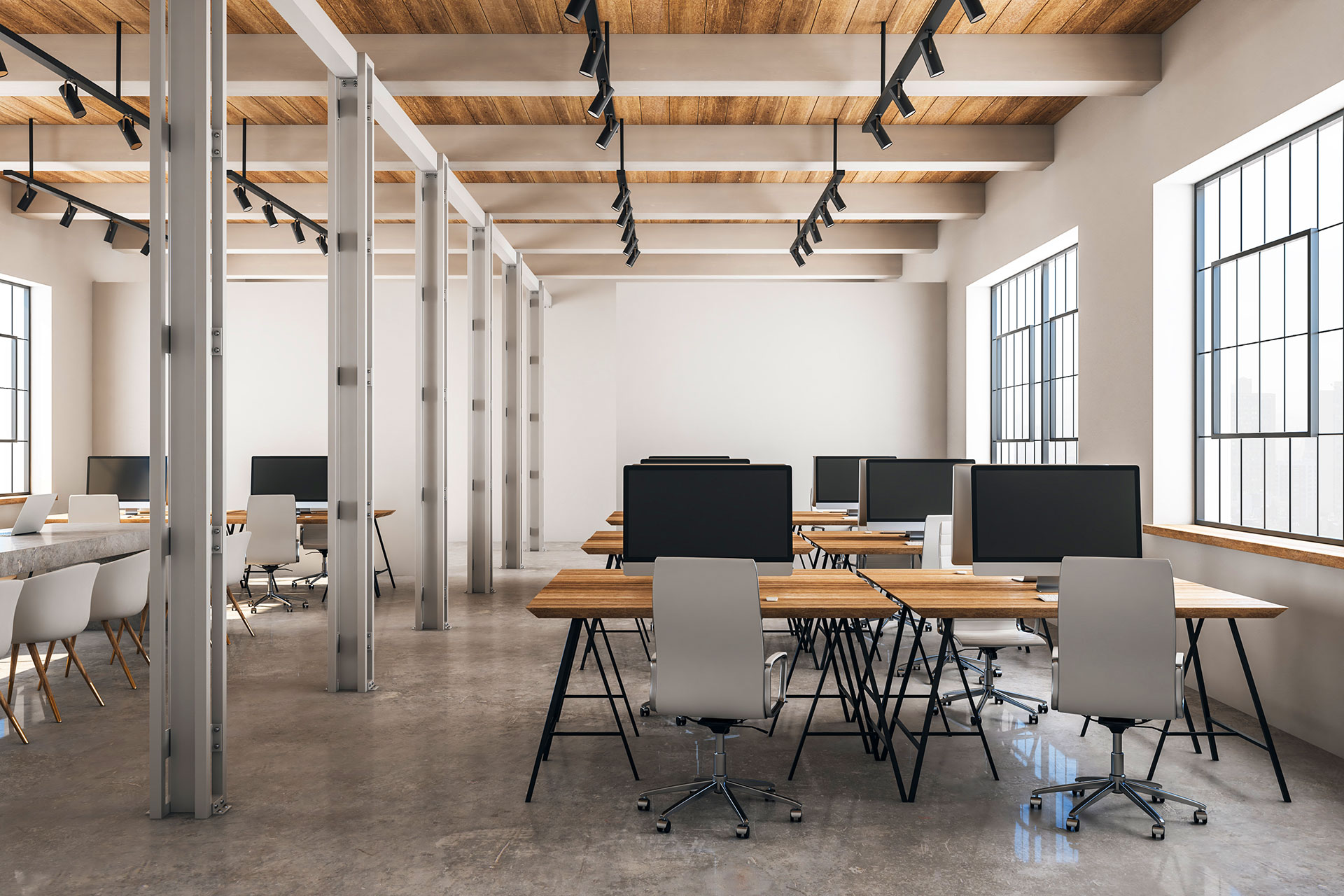
Office design keeps evolving, and in 2026, tile is stepping into the spotlight. Once considered purely functional, it’s now a central design feature, blending durability with personality. The modern workspace isn’t just about desks and lighting anymore. It’s about mood, identity, and longevity, and tile fits perfectly into that equation.
From textured finishes to bold color stories, these are the tile design trends redefining offices across industries.
Textures That Tell a Story
Flat tiles are fading into the past. In 2026, texture takes over. Think subtle ripples, tactile ridges, or surfaces that catch the light in unexpected ways. Designers are using these tiles to bring movement into spaces that once felt static.
Walls behind reception desks, conference rooms, and lounge areas are becoming canvases of depth. The goal isn’t flash, it’s feeling.
Texture invites touch, creates shadow, and gives a sense of craftsmanship that makes the workplace feel more human.
Nature’s Palette Comes Indoors
Natural tones still rule, but with more intention. Warm beiges, deep greens, sun-baked clays, and earthy taupes are replacing sterile whites and grays. These tones ground the space, connecting it to the natural world while staying calm and professional.
Terrazzo and stone-inspired tiles are making strong returns too, offering an organic yet modern edge. Pairing matte finishes with soft lighting creates an atmosphere that feels less corporate and more inviting.
Oversized Formats, Seamless Impact
Small tiles are giving way to larger formats, sleek slabs that stretch across floors and walls without busy grout lines. The result? A cleaner, more continuous look that feels modern and spacious.
In open-plan offices, large tiles visually expand the room while making maintenance easier. They’re ideal for high-traffic areas like hallways, shared kitchens, and entryways.
The trend balances aesthetic appeal with functionality, exactly what the modern office demands.
Creative Zoning with Pattern and Color
Hybrid workspaces need flexibility, and tile is becoming a subtle tool for that. Instead of traditional partitions, designers are using color and pattern to define zones.
- A geometric tile layout to mark collaborative zones.
- A softer tone to signal quiet work areas.
- Bold patterns near social hubs to encourage movement and conversation.
It’s a visual rhythm that keeps the office flowing without barriers.
Sustainability Drives Every Choice
The green movement isn’t slowing down; it’s accelerating. Recycled materials, locally sourced clay, and low-emission manufacturing are now core to tile production. In 2026, eco-conscious design isn’t a bonus; it’s expected.
Tiles with environmental certifications are becoming the go-to choice for architects and developers. They last longer, resist wear, and align with corporate sustainability goals.
The result is beauty that lasts, both aesthetically and ethically.
Conclusion
Tiles are no longer just about surfaces; they’re about storytelling. They bring warmth, personality, and permanence to spaces that once felt temporary.
In 2026, the most inspiring offices won’t be defined by open plans or bold furniture; they’ll be defined by the quiet strength beneath every step, every wall, every tile.
Leave a Reply