
Your cart is currently empty!
What Makes Tile a Top Choice for Healthcare Facilities?

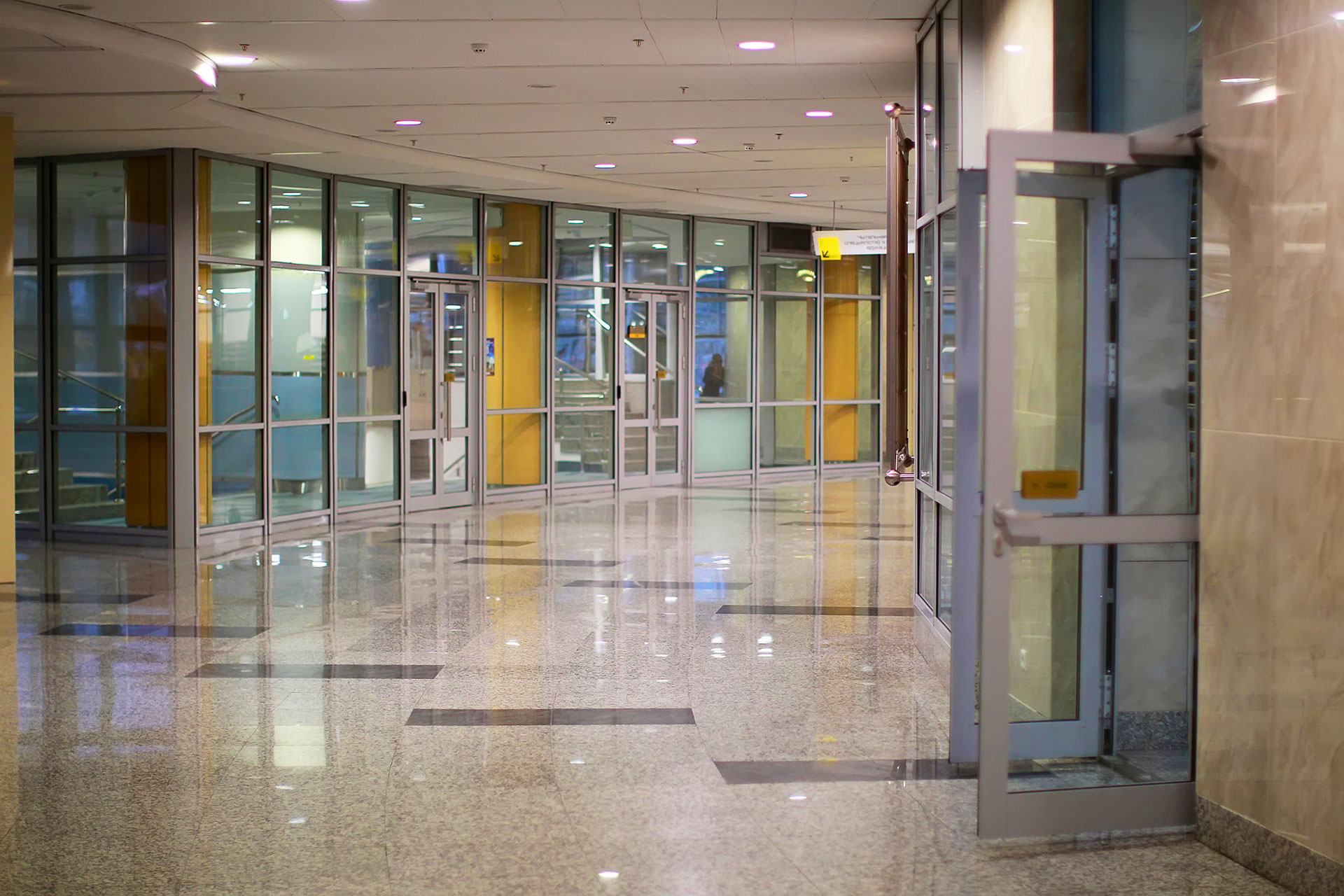
Walk into a hospital or clinic, and the floors do more than carry footsteps. They shoulder the weight of patients, visitors, equipment, and staff, day after day, hour after hour. In these demanding environments, flooring isn’t about style alone. It has to endure, protect, and support.
That’s why tile has quietly become the material of choice in healthcare spaces. It blends practicality with resilience in ways other surfaces struggle to match.
Strength Where it Matters
Healthcare facilities never stop moving. Gurneys roll, machines hum, and people flow in and out around the clock. Tile stands up to this constant activity without losing its integrity.
Unlike softer flooring, it resists dents and gouges from heavy equipment. Durability means less downtime for repairs, a vital factor in places where every second counts.
Cleanliness that Saves Lives
In healthcare, hygiene isn’t optional; it’s survival. Tile surfaces don’t trap dust, allergens, or pathogens the way porous materials do. Paired with proper grout and finishes, they’re easy to sanitize and disinfect, cutting down on infection risks.
In a world where cleanliness directly impacts patient outcomes, tile delivers reassurance and consistency.
Design that Heals
It’s not just about strength and sterility. Patients and staff alike are influenced by their surroundings. Tile opens the door to calming palettes, natural tones, and creative patterns that can make sterile spaces feel more welcoming.
A carefully designed floor can ease anxiety, support wayfinding, and even help patients feel more at home in an otherwise clinical setting.
Cost that Holds Steady Over Time
Initial installation might look higher than some alternatives, but tile pays for itself in longevity. Its ability to withstand constant use means fewer replacements, fewer repairs, and less disruption to daily operations.
Over decades, that reliability translates into real savings.
- Durability under heavy traffic and equipment
- Hygiene that supports strict sanitation standards
- Design versatility that humanizes clinical spaces
- Long-term cost savings through fewer replacements
Why it keeps Winning
Healthcare facilities demand flooring that works on every level, practical, hygienic, financial, and even emotional. Tile checks all those boxes. It doesn’t wear out easily, it helps maintain sterile conditions, and it supports the kind of thoughtful design that makes hospitals and clinics more livable.
Few materials manage to carry so many responsibilities with such quiet efficiency.
Conclusion
The best choices in healthcare design are the ones that protect, endure, and comfort all at once. Tile may seem simple, but its impact runs deep, from infection control to patient well-being to long-term cost efficiency.
That’s what makes it a top choice in spaces where lives, literally, depend on the details.
Leave a Reply